
How Botox Treats Chronic Migraines: Benefits, Process & Results
- Home
- How Botox Treats Chronic Migraines: Benefits, Process & Results
Living with chronic migraines quietly rewrites daily life. The weather forecast, the calendar, and whatever is packed in a bag start to matter more than social media. Dinners are skipped because restaurant lights feel like a threat. Trips are cancelled, not from lack of desire, but from the familiar image of lying in a dark hotel room while everyone else is out. The symptoms of a migraine keep showing up: pounding pain on one side, nausea that makes even water feel heavy, a room that feels too bright and too loud, strange flashes or zigzag lines in the vision, and a tiredness that settles deep in the body. Better sleep, more water, fewer “trigger” foods, and pain tablets in every pocket may bring small relief, yet the attacks still return. At a certain point, it feels natural to look beyond basic pills and wonder whether something like botox for migraine can finally give the nervous system a break.
This condition can make life feel smaller, and that shrinking world often feels very isolating. It becomes easier to cope when there is a clear picture of what is happening inside the brain, how the deeper causes of chronic head pain build over time, and where treatments such as botox for chronic migraine fit into a wider care plan. Understanding how the medicine works, what injections are like in real time, how long results are expected to last, and what the cost of botox means in everyday life brings back a sense of choice. With that information, it is simpler to see whether this path matches personal health goals, budget, and comfort level.
What Chronic Migraines Actually Are
Chronic migraines are not just “a lot of headaches.” This condition follows a clear medical pattern, where headaches strike on more than half the days in a month and many of those days come with classic migraine features. The symptoms of a migraine can include throbbing pain on one side of the head, strong sensitivity to light and sound, and a sick feeling in the stomach. Some people notice flashing lights, spots, or zigzag lines before or during an attack, while others feel completely drained and foggy for hours or even an entire day after the pain eases. When this pattern repeats month after month, it starts to feel like a second job. Triggers are constantly monitored, migraine symptoms are tracked, days are planned around possible attacks, and there is a constant hope of still being able to show up where it matters. That is why this illness is taken so seriously in neurology, because it does not only affect the head, it also reshapes work life, relationships, confidence, and emotional health.
The Deeper Causes of Chronic Migraines
The causes of chronic head pain on this level are rarely simple or identical from person to person. Many people carry a family history of migraine, so the brain begins life a little more sensitive, and over time the way nerves handle pain signals shifts until a system that should only switch into pain mode for short bursts stays half awake almost all the time. Stressful routines with late nights, early alarms, constant pressure, hormone changes around periods or menopause, long days on screens, skipped meals, and low water intake quietly pile more weight onto an already tense nervous system. Pain relief tablets taken very often can add another layer, because the brain starts to expect the medicine and, when it wears off, a rebound wave of pain can appear. This mix of biology, lifestyle, and medication habits does not mean anyone caused their own chronic migraines; it simply shows how many small forces can push in the same direction. Real treatment focuses on calming the nervous system, trimming triggers where possible, and building a plan that supports the brain instead of blaming the person living with this condition.
Where Botox Fits in Chronic Migraine Treatment
Most people living with chronic migraines start with the basics: over the counter tablets, quiet time in a dark room, ice packs, and small lifestyle changes like adjusting sleep or diet. As the attacks become more frequent and more disruptive, doctors often move to preventive pills such as blood pressure medicines, anti seizure drugs, or certain antidepressants, which can ease the symptoms of a migraine for many patients but sometimes bring side effects that are hard to handle every single day. When strong head pain is still taking over most of the month, specialists may begin a deeper conversation about injections, including botox for migraine, as a long term option. Botox for chronic migraine is approved for adults who have very frequent migraine days and is usually considered after other preventive medicines have not given enough relief, so it becomes a strong next step rather than the first thing to try. At that stage, many people search botox for headaches online because they feel stuck and want something different, but it is important to remember that this treatment has been studied mainly for migraine related patterns, not every kind of head pain, which is why a clear diagnosis from a neurologist or headache specialist matters so much before starting.
How Botox for Migraine Works in the Brain
The same drug used to smooth wrinkles is also used as botox for migraine, but the goal in this case is completely different. In cosmetic treatments, the focus is on relaxing tiny facial muscles so the skin looks softer. In migraine care, the real target is the way nerves talk to each other and send pain signals. During an attack, nerves in the head and neck release strong chemical messages that tell the brain to feel pain, and after months or years of frequent episodes, those pathways start firing too easily, reacting to smaller and smaller triggers. To calm this system down, a doctor injects very small amounts of the medicine into muscles in the forehead, temples, back of the head, and neck. From those spots, it sits close to the nerve endings, reduces the release of certain pain chemicals, and helps quiet the overactive network that keeps migraines going. A simple way to imagine it is as a sound system that has been turned up too loud for too long: the symptoms of a migraine are like songs blasting at full volume, and this treatment turns the volume dial down so everyday stress does not turn into a full concert of pain, without switching the system off completely.
Who Is a Good Fit for Botox for Chronic Migraine
Not everyone with head pain is a good match for botox for chronic migraine. A specialist will look at the full pattern before suggesting it. They will ask how often your headaches occur, whether they truly fit chronic migraines based on the symptoms of a migraine, and which medicines you have already tried. People with a solid migraine diagnosis, a long history of frequent attacks, and poor response or intolerance to several preventive pills are more likely to hear a suggestion for Botox.
Some people will be told that botox for migraine is not the best option for them. That may include people with certain nerve or muscle diseases, those with allergies to the ingredients, and people who are pregnant or planning to become pregnant soon. The decision is always personal and should be made with a neurologist or headache specialist. Their job is to match the treatment, whether it is Botox, tablets, or something else, to the reality of your chronic migraines and your wider health.
What Happens During a Botox for Migraine Session
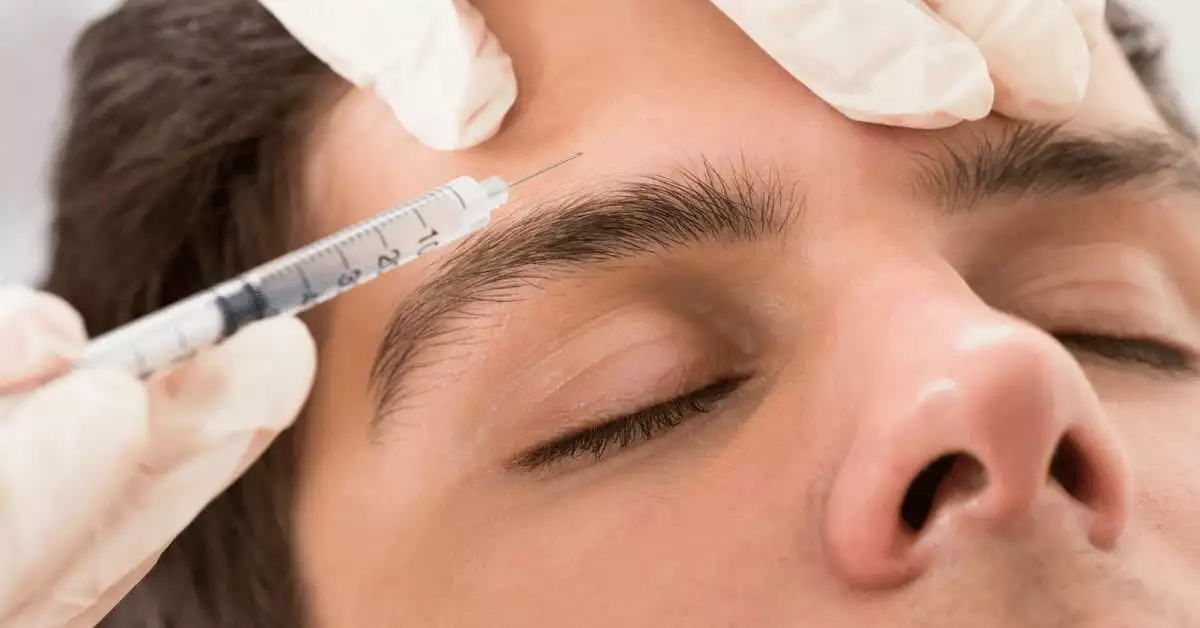
Many people find the idea of a botox for migraine session more intimidating than what actually happens during the procedure. On the first visit, the doctor typically spends time reviewing medical history, asking how often head pain occurs in a month, what migraine symptoms look like, and how migraines impact work and daily life. They may recommend starting or bringing a headache diary and will review all current medications and supplements, including those for other health issues. On treatment day, the patient sits in a chair or lies on an exam table while the doctor uses a very fine needle to give a series of small injections across the forehead, temples, back of the head, and neck. The entire process usually takes about twenty minutes, and each injection generally feels like a brief pinch or sting rather than deep pain. Feeling nervous is normal, and many people find it helpful to focus on slow breathing or ask the doctor to explain each step as it happens. Afterwards, most can return to gentle daily activities the same day, experiencing only mild soreness or a heavy sensation in the neck that typically subsides within a few days. Serious complications are rare, especially when treatment is performed by a clinician who regularly works with migraine patients rather than only doing cosmetic injections.
When Results Start and How Long Botox Lasts
Results from treatment do not show up like a light turning on. The nervous system needs time to calm down. Some people notice gentle changes within a couple of weeks, such as fewer terrible days, fewer attacks that wake them at night, or migraine symptoms that settle a little faster. For many, the bigger shift appears after two or three sessions, since injections are usually given every twelve weeks and the effect often builds over time rather than arriving all at once.
When people ask how long Botox lasts, a simple answer in migraine care is that one round is planned to work for about three months, which is why the next appointment is set around that point. If sessions stop, pain patterns often drift back toward their old rhythm. For this reason, botox for chronic migraine is usually seen as a longer term plan, not a one time fix, and a basic diary of attacks, triggers, and medicines before and after each round makes it easier to see real progress on paper instead of guessing by memory.
Real Life Benefits of Botox for Chronic Migraine
The real success of botox for chronic migraine is not just seen in scan reports or numbers in a file. It is seen in your calendar and in the way your days feel. When this treatment works well, people often notice that the number of “lost” days each month goes down. The symptoms of a migraine may still appear sometimes, but they become less intense and less common. You may stay at work more often instead of going home early. You may stay present during family events without needing to escape to a dark room.
For many people with chronic migraines, the biggest benefit of Botox for migraines is increased confidence. When the nervous system is calmer and attacks happen less often, you aren’t living in constant fear of the next one. You can say yes to social plans, projects, and travel more easily. Life feels less like a battle and more like something you can plan again. That emotional relief is a real and important reason why people choose this treatment.
Side Effects and Safety of Botox for Headaches
Every medical treatment carries some risk, and botox for headaches is no exception. The more common side effects are usually mild. People sometimes report temporary neck pain, a heavy feeling in the forehead, or small bruises where the needle went in. These issues are uncomfortable but tend to fade over days or weeks. If something bothers you, your doctor can adjust how they place botox for chronic migraine in later sessions.
Very rarely, more serious reactions can appear. These include severe weakness in muscles far from the injection sites, strong allergic reactions, or problems with breathing or swallowing. These side effects are not common, but they are a reason why you should always have botox for migraine done by a trained specialist who understands both the medicine and chronic migraines. Being open about your full health history, all regular medicines, and any past reactions makes the treatment safer.
Understanding the Cost of Botox for Chronic Migraines
Money is often the most confusing part of deciding on treatment, and it is easy to feel lost when different clinics and websites quote very different figures. Prices change from country to country, and even from one city to another. A neurologist in a large hospital may charge more than a smaller local practice, and migraine care usually uses more units than a small cosmetic touch up, so the overall cost of botox for medical use tends to be higher than a quick wrinkle visit. Fees for the doctor’s time, the clinic setting, and any extra services also sit inside that final number, which is why two people rarely pay exactly the same amount.
Insurance can lower the bill, but usually under clear rules. Many health plans only consider coverage when there is a formal diagnosis of frequent migraine, a record that several preventive medicines have already been tried, and notes showing how often symptoms appear each month. Even with approval, a co pay or deductible often remains. The most practical step is to ask for numbers in advance: the insurer can explain what portion they cover for migraine prevention, and the clinic can outline their price per session, how many rounds they expect in a year, and what share is likely to come out of pocket. In some regions, savings programs or manufacturer cards are available for eligible patients, which can reduce the bill further. Having all of this information on paper makes it easier to decide whether ongoing treatment fits both health needs and budget, instead of being surprised later.
Botox for Tension Headaches and Other Head Pain
Online, it is common to see botox for tension headaches mentioned alongside migraine treatment, which makes it easy to assume both are meant for the same kind of problem. In reality, tension pain and migraine illness follow very different patterns. Tension discomfort often feels like a tight band wrapped around the head, usually without strong nausea or visual changes, while migraine attacks tend to bring classic symptoms of a migraine such as throbbing pain, light and sound sensitivity, and a more intense, wave like cycle. Research support is much stronger for injections in chronic migraine than in pure tension type pain, so specialists usually reserve this option for complex cases where both patterns seem to overlap. When head pain does not fit the usual migraine picture, a careful diagnosis from a headache expert becomes essential before any injection plan is started. Treatment works best when it is matched to the real pattern of the condition, not just to a label found in a search bar.
Making Botox and Daily Habits Work Together
Even when botox for migraine starts to help, life around the treatment still matters because chronic migraines often sit on top of a very sensitive nervous system. Stable routines gently take pressure off that system. Regular sleep, steady meals, and enough water make it less likely that the symptoms of a migraine will be triggered by small gaps in self care. Simple habits like taking short breaks from screens, going for easy walks, and using calm breathing exercises will not cure the condition, but they do support a tired brain that is trying to recover and reset.
It also makes a big difference to track patterns instead of relying on memory alone. A small notebook or app where headache days, likely triggers, and medicines are recorded turns experience into clear information. Over a few months, this record helps both patient and doctor see whether botox for chronic migraine is truly reducing attacks, whether certain triggers are fading or getting stronger, and where there is still room to adjust the plan. The process stops feeling like guessing in the dark and starts to feel more like working with the body as a team.
FAQs
How much does Botox cost?
It varies by country, clinic, dose, and insurance, but many people pay a few hundred dollars per session. You need to confirm your exact cost of botox with your doctor and health plan.
How long does Botox last?
In migraine care, one botox for migraine session usually lasts about twelve weeks, which is why most people repeat it every three months.
What are chronic migraines like?
Chronic migraines feel like frequent attacks with migraine symptoms on many days each month, often changing how you work, plan, and socialize.
Does Botox work for chronic migraines?
Yes, botox for chronic migraine can reduce how often attacks happen and how strong they feel for many people, though it does not cure migraines completely.
What is the best treatment for chronic migraines?
There is no single best treatment; most people do well with a mix of preventive medicines, options like botox for migraine, lifestyle support, and guidance from a headache specialist.
