
Dysport vs Botox: Best for Natural Smoothness
- Home
- Dysport vs Botox: Best for Natural Smoothness
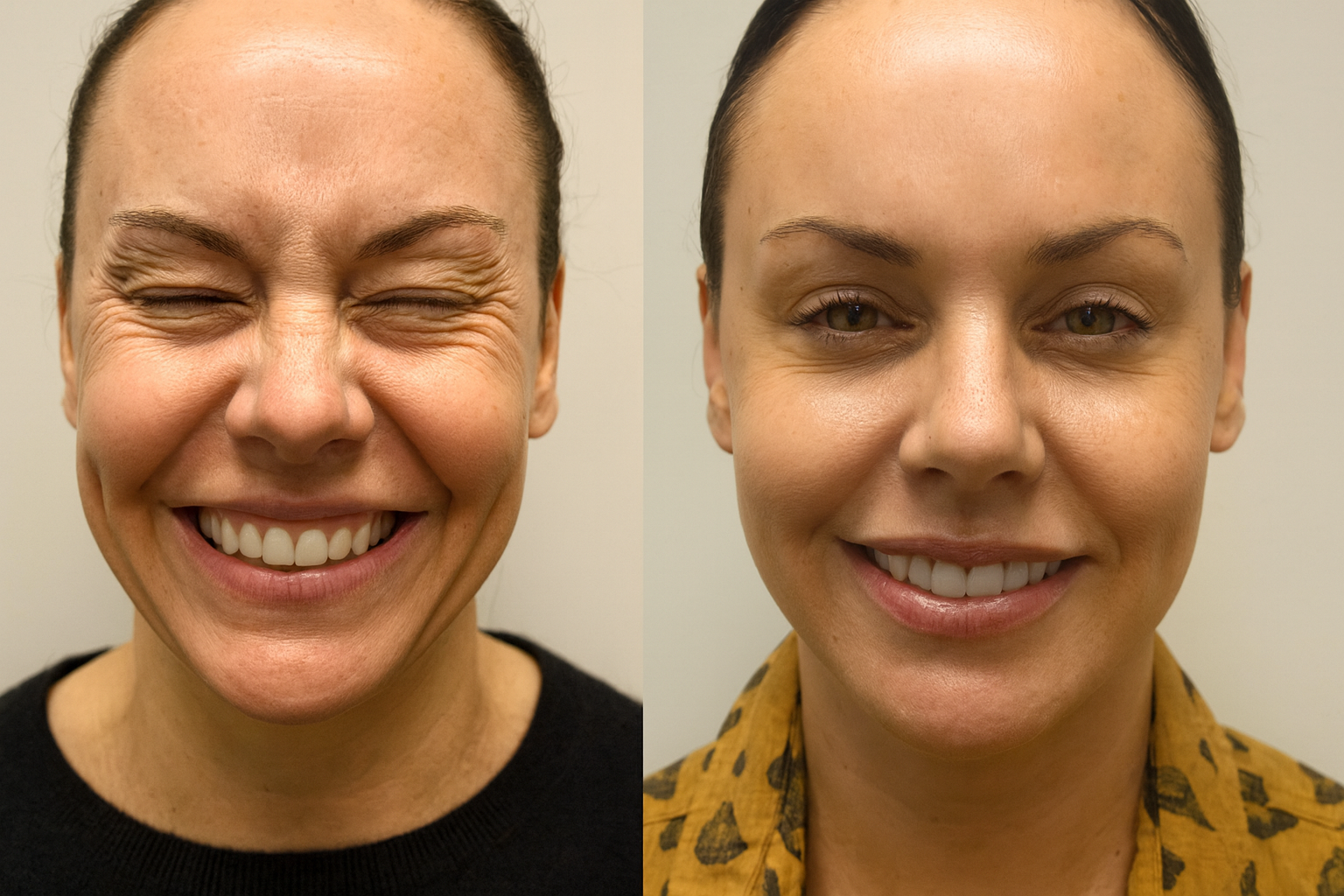
If you’ve ever looked at your face after a long week and thought, I don’t want to look younger by ten years, I just want to appear calmer, softer, and more rested, then you’re already in the right mindset for injectables. Most people no longer chase dramatic changes; they prefer maintaining a natural smoothness that still reflects their personality. They want their forehead to relax without appearing stiff, and their “11” lines to soften without losing the ability to show emotion. They seek results that their friends notice as fresh, not artificial. That’s why the discussion around dysport versus botox continues to grow. It’s also why people keep searching for botox versus dysport, asking what looks more natural, what acts faster, and what fits their budget without regrets. The truth is simple but important: the best choice is rarely driven by hype. It depends on your facial movements, your goals, and your injector’s technique. When you understand the differences between dysport and botox, you stop relying on trends and start choosing what genuinely suits your face and lifestyle.
The quick answer most people need
If your main goal is soft, natural smoothness, both options can deliver. The real deciding factors are spread, onset, dosing style, and your provider’s skill. That is why botox vs dysport is not a one size fits all answer. You are not choosing a phone model. You are choosing how your expressions will soften.
What are both treatments?
Both are neuromodulators made from botulinum toxin type A. Both relax specific muscles that cause expression lines. Both are commonly used for forehead lines, frown lines, and crow’s feet.
This is where confusion starts. People often ask is dysport the same as botox. The simple answer is no. They are not identical. But they work in a very similar way.
Now here is the practical version of that answer. If you are deciding between botox or dysport, you are choosing two closely related options with slightly different behavior in the skin.
Difference Between Dysport and Botox
The simplest way to understand how these two treatments vary is to look at how each one behaves after injection. Dysport is often described as creating a softer, more blended finish, while Botox is often seen as more precise and controlled. This does not mean one is automatically better. It means each may suit different facial movement patterns. So the real question is not which option wins overall. The real question is which option matches your face and the kind of natural movement you want to keep. When people compare them, they are usually focusing on how smooth and natural the result looks while the face is still expressiv
Speed of results
Many patients report that Dysport can show results a bit sooner, sometimes in a few days. Botox can take a little longer for full effect. That matters if you are getting ready for an event.
If you are choosing botox versus dysport for a deadline, timing can become a real advantage. This is a common reason some people switch even when they already like their previous results.
How long they last
Both typically last around three to four months. Some people get longer results from one or the other, but the difference is usually not dramatic. Your metabolism, muscle strength, and lifestyle often play a bigger role.
So when you hear someone say botox vs dysport lasts longer, remember that personal biology often explains the difference more than the brand.
Why natural results depend on technique
A natural look is not only about the product. It is about placement and dose.
A skilled injector can create soft, elegant results with dysport vs botox. A careless injector can create stiffness with either one. This is why your provider matters more than the label on the vial.
If your goal is a gentle refresh, ask for a plan that supports movement, not a rigid freeze.
Units, conversion, and why people get confused
This is where most budget decisions go wrong. Dysport units and Botox units are not equal, so dysport units vs botox units should never be judged by the number alone. In many real world settings, you may need more units of one product to achieve a similar effect, which is why your provider should explain the expected dose range for your exact area before you compare total cost.
Cost clarity without the marketing fog
People do not just want good results. They want honest value.
That is why people search so often to compare the overall costs and per session pricing of these two treatments.
Per unit pricing
Many clinics price Dysport lower per unit, which raises the question of whether Dysport is cheaper than Botox. While it can be less expensive per unit, this is only part of the story. You also need to compare costs based on the expected dose for your face, as the total treatment cost can change once unit conversions are taken into account. A fair perspective is that a lower per-unit rate might look better on paper, but the other option could seem more expensive per unit yet require fewer units depending on your treatment plan. Therefore, both pricing structures are important, but they should always be evaluated alongside the overall dose strategy.
Total visit pricing
The better question is not only dysport vs botox price. The better question is total treatment cost for your goals.
This is where dysport treatment cost becomes the real comparison point.
Some people find dysport treatment cost ends up similar to Botox once the full dose is calculated. Others find it slightly lower. The difference depends on the clinic, the area treated, and the dose strategy.
So when someone asks is dysport cheaper than botox, the best answer is this. It might be. But only after the full unit plan is confirmed.
This is why dysport vs botox cost should always be discussed as a total plan, not just a per unit number.
Safety and the questions everyone asks quietly
The question is dysport safer than botox comes up often because people want peace of mind before choosing an injectable. Both have strong safety histories in cosmetic use when administered by trained professionals, and most side effects are mild and temporary, such as small bruising, slight swelling, or short lived headaches. In real life, the safer option usually depends less on the brand and more on the experience of the injector and how well they understand your facial anatomy. People also wonder about safety when asking if they are essentially the same type of treatment, and the practical takeaway is that both share a similar safety profile when used correctly.
Who tends to prefer Dysport?
Many people choose Dysport because it can feel softer in wider areas. This is often mentioned in dysport vs botox discussions about forehead smoothing.
If you have tried Botox before and felt it was slightly too tight, Dysport might feel more comfortable for your expression style.
This is a major reason why people compare Botox versus Dysport even after years of sticking with one brand.
Who tends to prefer Botox?
Botox remains the classic choice for those who want very controlled refinement. Some people also feel that Botox gives them a more predictable finish in small target areas.
This is why botox vs dysport is still a serious comparison even after Dysport gained popularity.
When switching makes sense
If you are thinking about botox or dysport and you are already using one, a trial approach is smart.
Test one area first. Evaluate movement. See how your face settles over two weeks. Then decide.
This gives you a real answer to which is better botox or dysport for your unique face.
The natural smoothness checklist
If your goal is subtle, here is what matters most.
- Conservative dose
- Clear mapping of your muscle pattern
- A provider who values soft results
- A plan that evolves with your face
This is how you get a natural win with dysport vs botox without overdoing anything.
FAQs
How much does Daxify cost?
It varies by clinic and city, but Daxxify is usually priced higher per treatment than Botox because it lasts longer for many people.
Does Daxxify give you a glow?
Most people see results from Botox for face sweating within a week. The dryness usually lasts around four to six months before another session may be needed.
Why is Daxxify so expensive?
Because many patients see about six months of frown line improvement, you may need fewer visits per year.
Why is Gen Z skipping Botox?
Some are avoiding the obvious, frozen look or choosing skincare first, but Gen Z interest in subtle, preventive treatments is still a real trend in many markets.
Should I switch from Botox to Daxxify?
Consider it if you want longer lasting results and fewer appointments. Testing one area first is the safest way to compare on your face.
What age do most people get Botox?
Globally, botulinum toxin treatments are most common in the 35 to 50 age group.
